Sports Injury Management
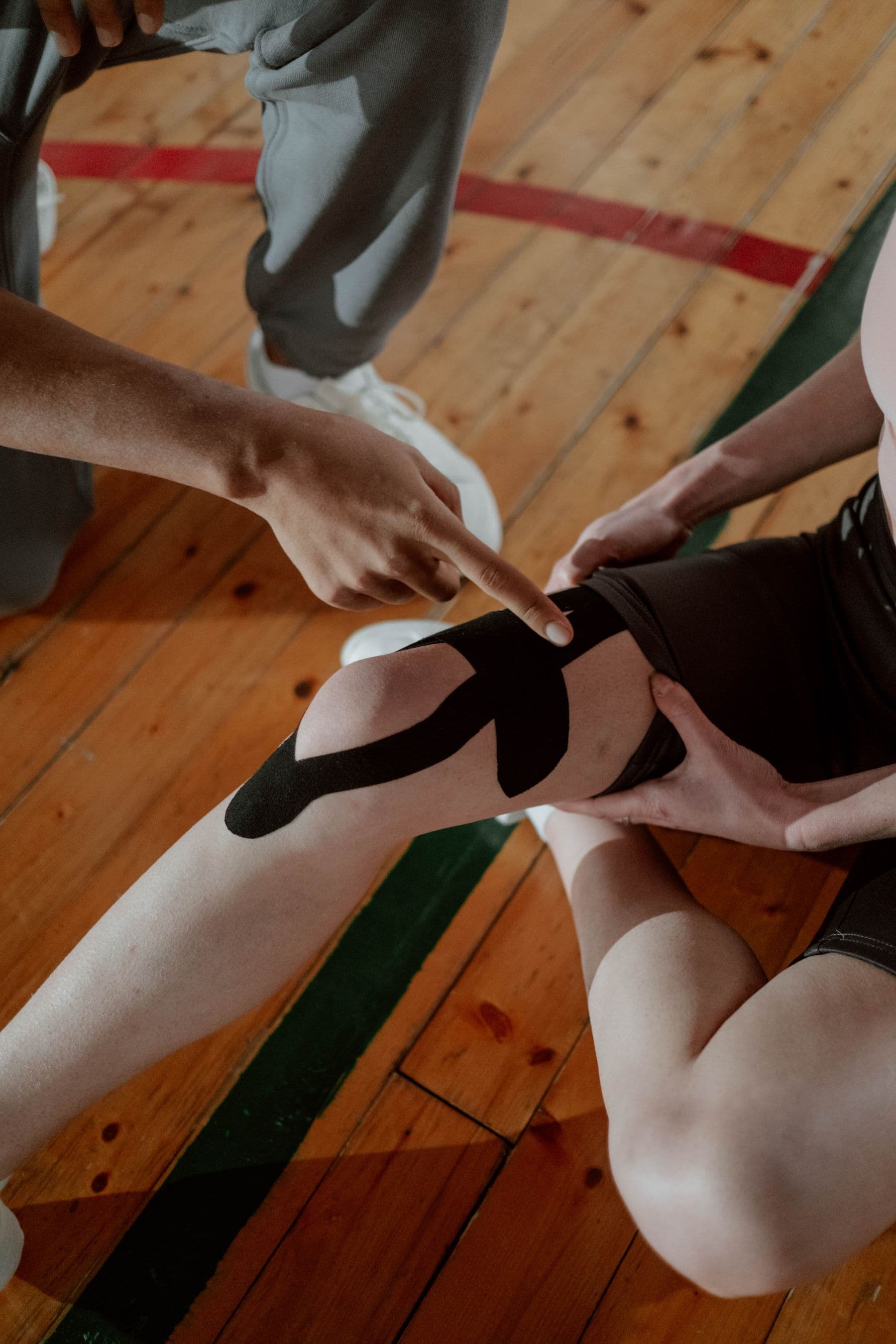
Sports injury management is for patients with sprains, strains, ligament injuries, tendon pain, muscle pulls, shoulder or knee injuries, ankle twisting, overuse pain, and training-related discomfort. These concerns can affect athletes, gym-goers, students, working professionals, and anyone whose activity level depends on pain-free movement.
A good injury consultation looks beyond the painful moment. The doctor evaluates how the injury happened, which movement causes symptoms, whether there is swelling or instability, and whether the patient can safely return to activity. Previous injuries, training load, footwear, posture, strength, and recovery habits may also influence the treatment plan.
Care may include rest and activity modification, medication advice, bracing guidance, imaging when needed, physiotherapy referral, strengthening plans, and return-to-sport or return-to-work recommendations. The aim is to prevent small injuries from becoming long-term limitations while helping patients recover with confidence and control.
Sports injuries need a careful balance between recovery and safe return to activity. Returning too early can worsen pain, create instability, or turn a simple strain into a longer problem, while resting for too long can reduce strength and confidence. The consultation helps patients understand the likely severity of the injury, what movements should be limited, and when rehabilitation should begin. This is useful even for non-athletes who want to return to gym, walking, work, or daily routines.
The clinic can guide patients through staged recovery, from pain control and swelling reduction to mobility, strengthening, balance, sport-specific drills, and gradual return to activity. Education is also important because repeated injuries often happen due to weak muscles, poor warm-up, sudden training load, technique problems, or incomplete rehabilitation. A structured plan reduces guesswork and helps patients recover with better long-term protection.